
Is Buying Property at Auction Right for You?

Our friendly team is ready to help. No obligation, just a straightforward conversation about your situation.
Leave your details and we will be in touch as soon as the office opens. No obligation.
Is buying property at auction right for you?
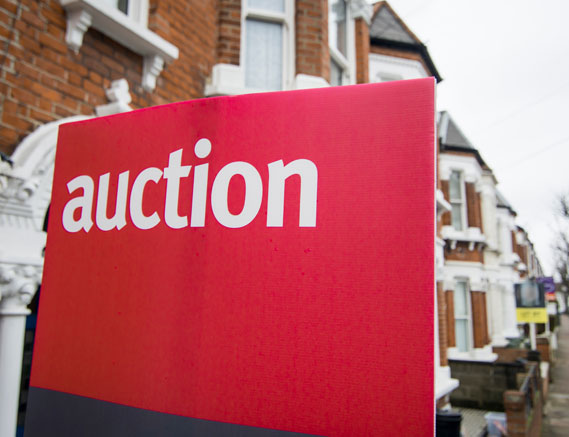
Buying property at auction can be a thrilling and potentially rewarding experience. However, it is important to be aware of the legal implications, rules and regulations, and possible risks involved in such a purchase. In this article, we will explore the key considerations for anyone looking to buy property at an auction in the UK.
Understanding property auctions
Firstly, it is important to note that purchasing property at auction is a legally binding agreement. This means that once the hammer falls, the winning bidder is legally obliged to complete the purchase. Therefore, it is essential that you thoroughly research the property before making a bid. This should include a detailed inspection of the property, checking for issues or defects, and obtaining a copy of the legal pack.
What is the legal pack?
The legal pack will contain important information such as title deeds, searches, and any planning permission or building regulations that apply to the property. Instructing a solicitor or conveyancer to review the legal pack and provide you with their professional opinion on any potential issues or concerns is advisable.
Property law and auctions
It is also important to be aware of the UK's rules and regulations surrounding property auctions. These will vary depending on the auctioneer and the type of auction being held. Typically, auctions are governed by the Auctioneers and Valuers Association (AVA) and the National Association of Valuers and Auctioneers (NAVA). These bodies set standards for auctioneers and provide guidance on best practices.
Property auction process
When attending an auction, arriving early and registering your interest with the auctioneer is essential. You will be required to provide proof of identity and, in most cases, a deposit in order to bid. The deposit is typically 10% of the purchase price and must be paid immediately if you are the winning bidder.
It is important to set a budget before attending the auction, and stick to it. Auctions can be fast-paced and emotionally charged, so getting carried away and overbidding is easy. Also, remember that there may be additional costs on top of the purchase price, such as legal fees, stamp duty, and auction fees.
Should I buy property at auction?
The main benefit of buying property at auction is the potential to secure a bargain. However, it is important to be aware that risks are also involved. For example, the property may have hidden defects or be subject to restrictions that could affect its value or your ability to use it as intended.
It is important to approach it with caution and fully understand the legal implications, rules and regulations, and any risks involved. By doing your research and seeking professional advice, you can increase your chances of a successful and stress-free purchase.
Other Articles Articles

Top 5 Questions Home Buyers Ask - Answered by our Conveyancing Experts
6 June 2025
How to Prepare for a Long-Distance Property Sale in Today's Market
15 May 2025
Tragic Case Must be Wake-Up Call for Landlords
15 May 2025
Landlords Must Comply with Latest Energy Standards
15 May 2025
Why Do You Need a Cohabitation Agreement?
15 May 2025